
Voting Rights Under Siege: Voices on Democracy's Future
In a continuation of doing a deeper dive into the topics discussed at our March “2025 Feminist Playbook” event, the SBWPC Co-Presidents interviewed Attorney Georgene Vairo, retired constitutional law.

Even as we celebrate the passing of Prop 50, America’s voting rights battle is at a turning point. Two leaders—retired constitutional law professor Georgene Vairo and California Assemblymember Dawn Addis—share urgent warnings and real pathways forward.
The Constitutional Crisis
Professor Georgene Vairo, who taught federal courts and constitutional law for 35 years at Loyola and Fordham Law Schools, sees the current moment as potentially catastrophic. “I see the Voting Rights Act as sort of a metaphor for everything else that’s going on,” she explains.
With the Supreme Court having already eliminated preclearance requirements, Section 2 of the 1965 Voting Rights Act now stands as the last major protection against discriminatory voting practices. The pending Louisiana v. Callier case threatens to gut even this remaining safeguard.
If Section 2 falls, Vairo warns, it could lead to as many as 19 additional congressional districts leaning Republican, potentially establishing “one party rule.” But her deepest concern involves an even greater threat: Republicans currently control 29 state legislatures. If they gain five more—reaching 34 states—they could call a constitutional convention to completely rewrite the Constitution.
“That’s my biggest fear,” Vairo states. “They will get a constitutional convention. They will allow a president to serve for as many terms as he wishes.” If Section 2 falls and allows unchecked gerrymandering of state legislative districts, reaching that 34-state threshold becomes frighteningly plausible.
Gerrymandering: The New Poll Tax
Assemblymember Dawn Addis, who represents California’s 30th District, identifies redistricting as “the most pressing” threat, calling gerrymandering “really a new poll tax on Black and Brown voters who are now going to not have the opportunity to vote for somebody who is truly representative of their community.”
She recounts a powerful encounter in Boston with Texas legislators who had fled their state to prevent a quorum for voting on extreme gerrymandering legislation. A North Carolina legislator described how her state went from a 50-50 split to 70-30 Republican control overnight due to gerrymandering.
“The Texas legislators almost begged us to put this on the California ballot,” Addis recalls, explaining the urgency behind Proposition 50, which would strengthen California’s independent redistricting commission.
Addis has also worked to strengthen voting rights through improved transparency. Her bill AB 808, signed by Governor Newsom in October, modernizes California’s campaign finance disclosure system and addresses modern threats like AI-generated disinformation.
Multiple Forms of Suppression
Both experts emphasize how voter suppression tactics disproportionately affect marginalized communities. Addis sees the impact directly: “It can be very hard for people... having a hard time getting an ID, particularly for people who are low-income or who have transient housing.”
San Luis Obispo County has already experienced voter intimidation with “Trump trains” during the 2020 election. Addis shares “widespread fear that we’re going to have militarized people sent by the Trump administration... showing up at polling places to scare people away.”
Vairo anticipates similar tactics nationally, particularly “in minority-heavy districts” across all major cities. Yet both remain hopeful about voter determination. “Just like in the South after the Voting Rights Act was first passed, people will walk five miles to vote,” Vairo says.
The Legal and Legislative Response
Despite the dire landscape, Vairo finds encouragement in coordinated legal resistance. She praises attorneys like Mark Elias and Norm Eisen for filing numerous cases challenging gerrymandering. State-level action offers another avenue—states can enshrine voting rights in their own constitutions even if federal protections fall.
Chief Justice Roberts remains a wild card. “I keep waiting for him to atone for his opinion in the immunity decision,” Vairo says. “Will he grow a spine and say no? We’ll see.”
The Power of Individual Action
Both experts emphasize that legal and legislative battles alone won’t save democracy—citizen engagement remains essential.
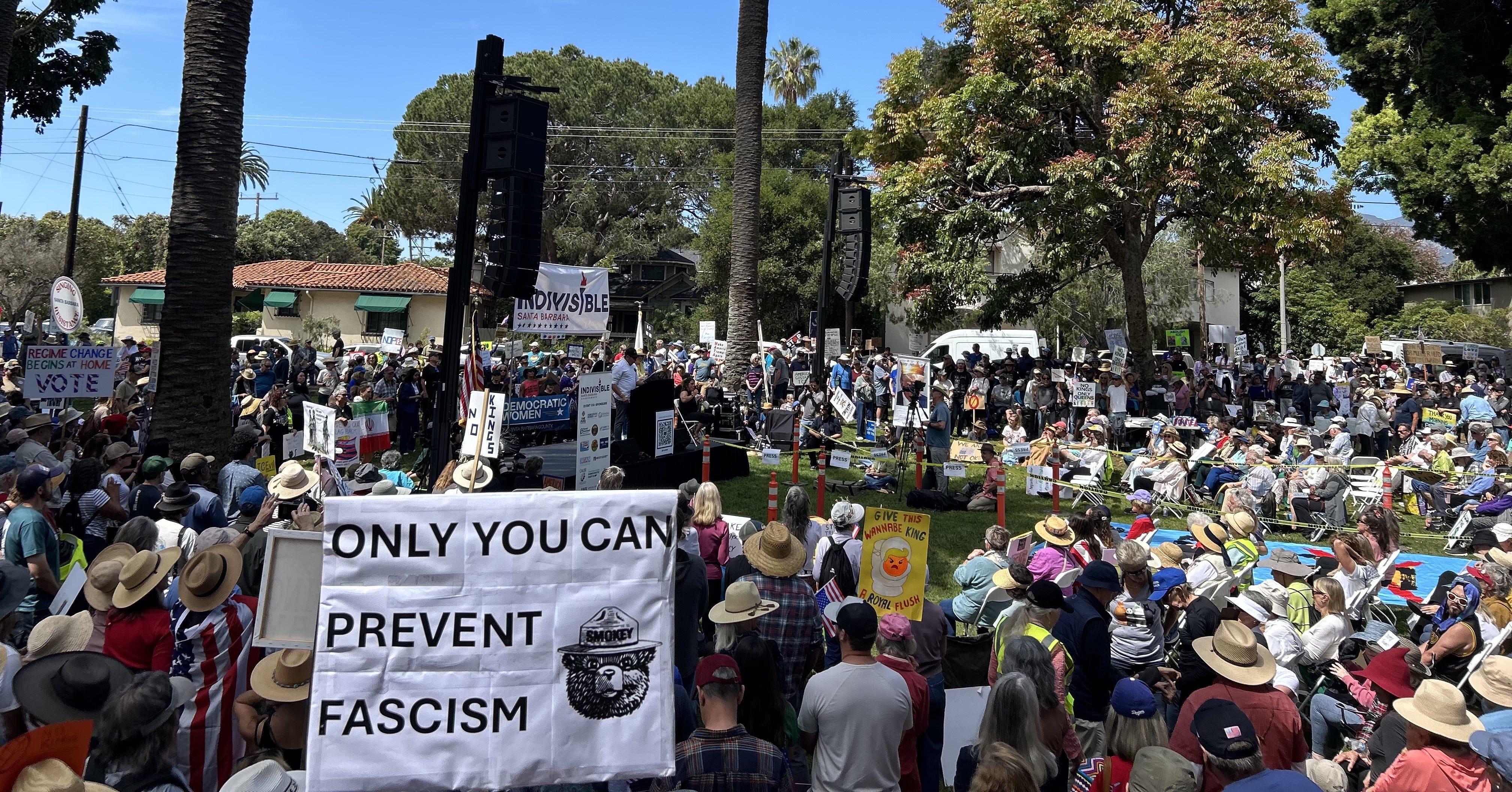
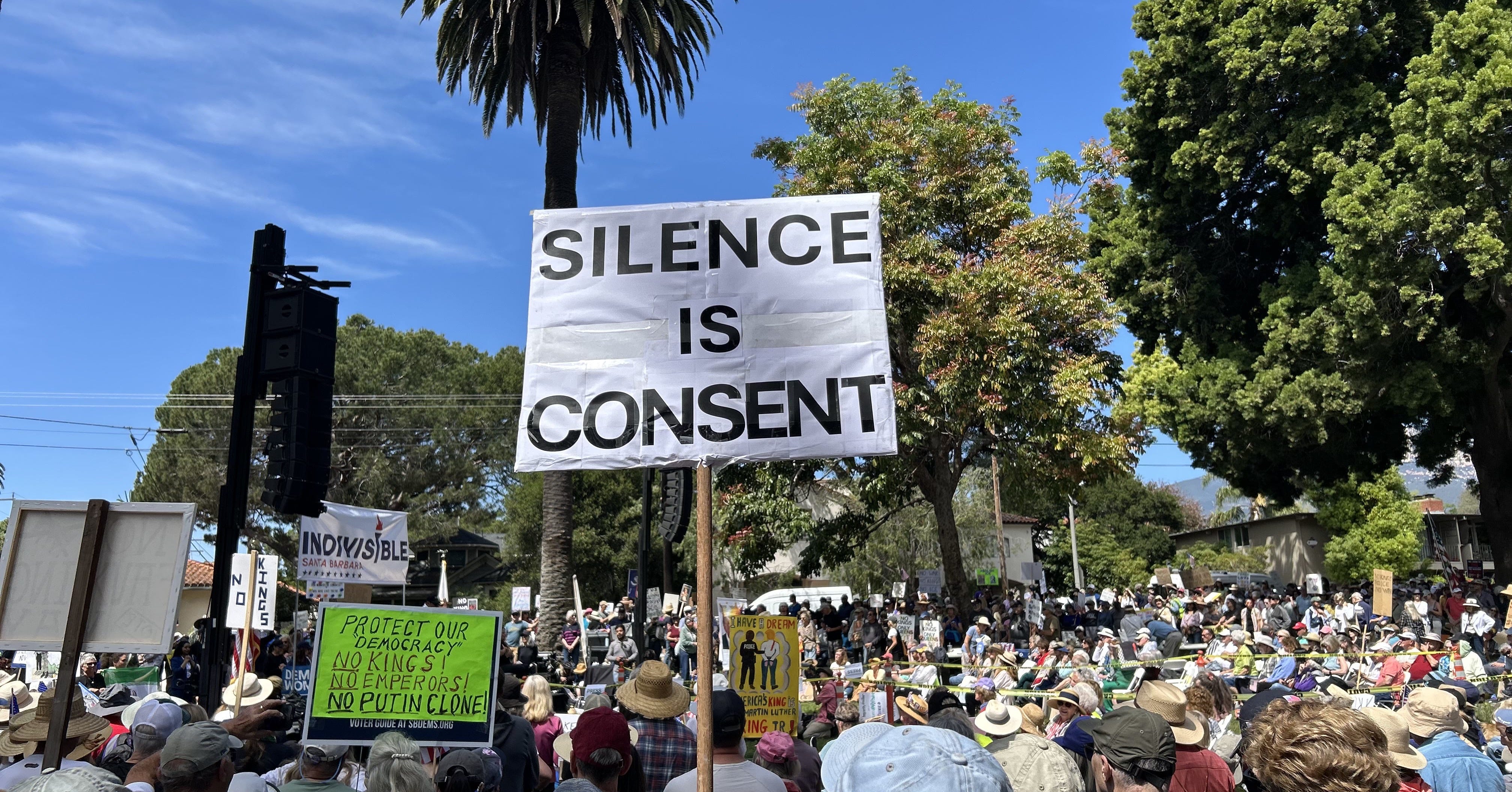
Addis offers a powerful framework: “There’s large actions we can take—people are out in the streets, they’re protesting, they’re signing up as poll watchers. But there’s also those day-to-day conversations that are very impactful.”
She shares a recent encounter with a young woman who didn’t know where her polling place was and her friends didn’t know that an election was happening. “Even something as simple as a conversation in your day-to-day to check in with your neighbors can be very, very powerful.”
Vairo advocates for civil conversation even with those on the other side. “The point is to have discourse, to see whether there’s any common ground and respect each other. That’s what this country has to do.” She draws a crucial distinction: “Yell at Donald Trump, but don’t yell at somebody just because they voted for Donald Trump. If you can engage them in conversation, you can reduce the temperature.”
Coalition-Building for the Future
Vairo suggests connecting women’s organizations across California to create a statewide network that can “be exported to other states that need more help.” She also advocates collaboration with national organizations like Indivisible as “a vehicle for combining the energy, the efforts and the ideas from the local levels on their way up.”
Addis emphasizes engaging with representatives: “Much of our legislation comes directly from our constituents... it really makes a difference when you speak up.” Her own experience proves the point—she’s the first Democrat to represent her district in 100 years, and her presence made possible the co-authorship of legislation creating an independent redistricting commission for San Luis Obispo County.
Determined Hope
Despite acknowledging “really dark times,” both women refuse pessimism. Addis insists: “We need to double down on both having hope and doing the work.”
Vairo notes encouraging signs: young people’s approval of the current administration has plummeted; Republican lawmakers face constituent anger; demographic shifts may undermine gerrymandering efforts as Latino support collapses in places like Texas.
“Just as cowardice is contagious, courage is contagious,” Vairo observes. “When you see people getting out there... you throw the pebble in the lake, and it ripples out.”
Their message is clear: this moment demands everything we have—legal challenges, legislative action, grassroots mobilization, coalition-building, and everyday conversations.
“Every chance you get to stand up and push back, you have to do it,” Vairo urges.
“We know elections matter, we know stories matter, we know person-to-person contact matters,” Addis affirms.
The fight for voting rights is the fight for democracy itself. Keep hope alive. Keep having conversations. Keep coordinating. Because person-to-person contact matters.
Democracy needs you. Every voice, every action, every vote counts.